来不及爱你中文

A film by Qin Xujun

来不及爱你

Too Late to Love You

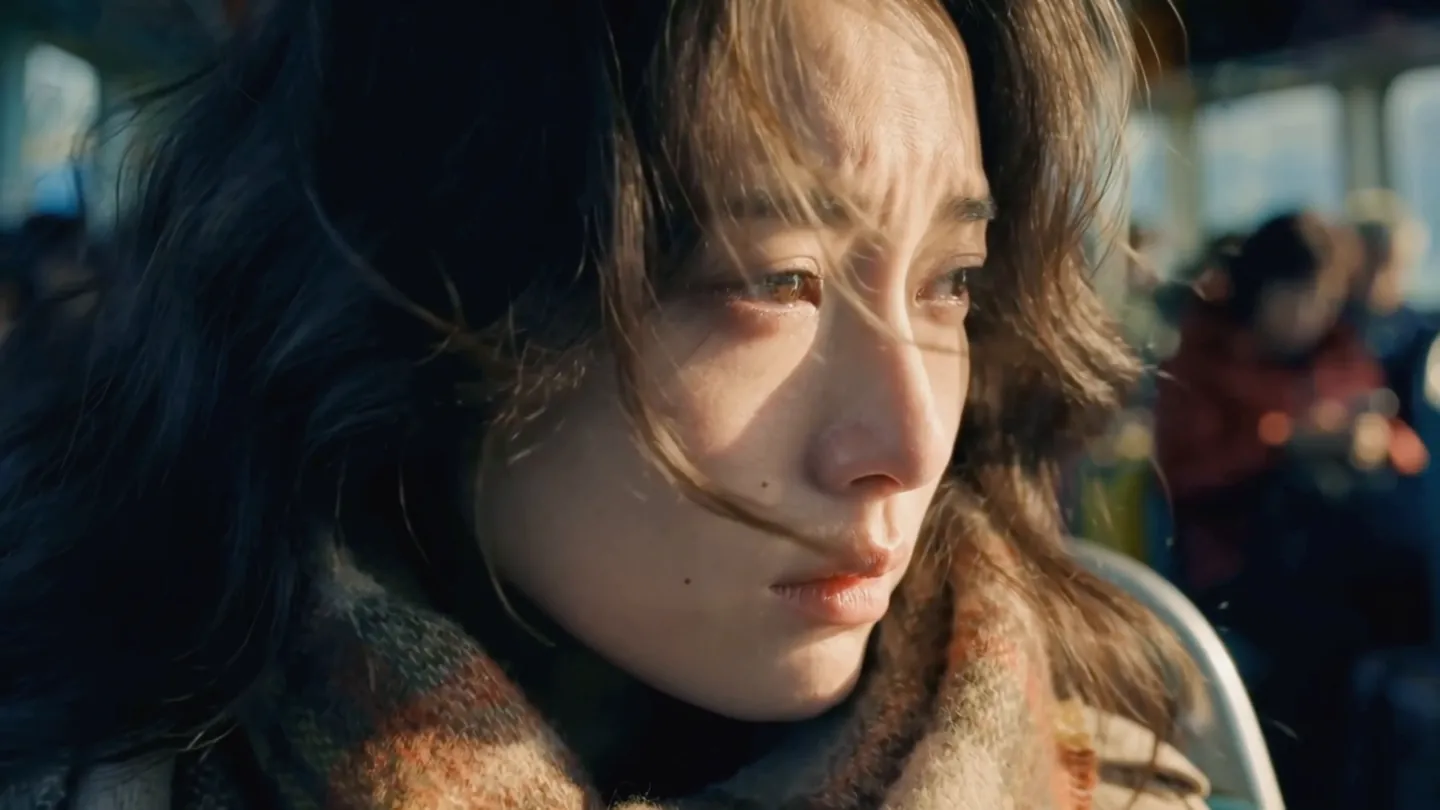
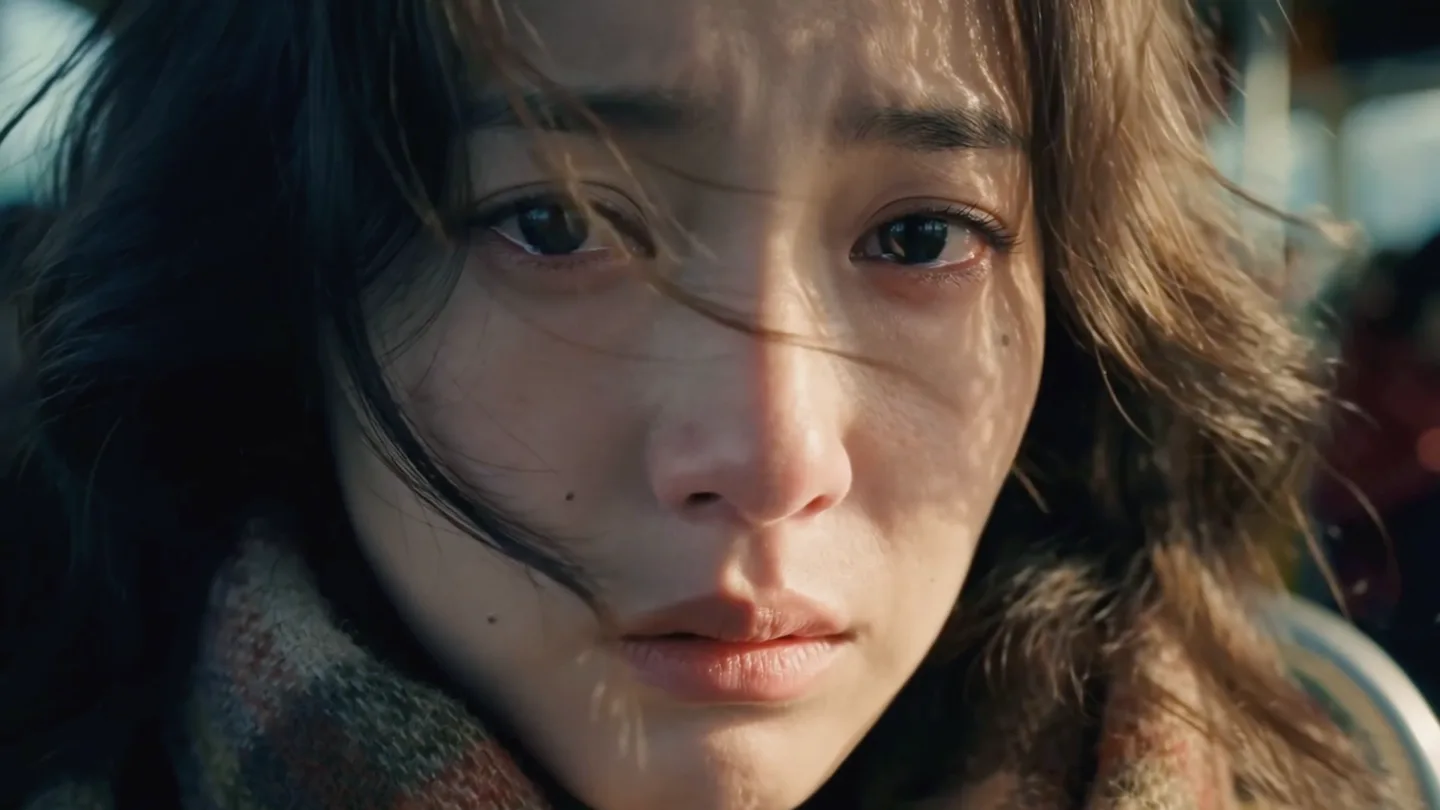
After the breakup, she takes a ferry alone to a city she doesn’t know, carrying the only photograph of the two of them.

202657 secNo dialogueAI short

PlayDownload the film

Why he made it

“Using AI to make a piece that says what you want to say is worth doing in itself.”

  1. The start

    A shot came first; the story came after.

    “There was one shot that turned out well, and I wanted to try telling a story with it. … Start from the first shot, then think about the story.”

  2. The title

    Learn to love yourself first, or it is too late to love anyone.

    “At first you may love someone with everything you have, and only later learn that to love someone, you first have to love yourself …”

    The title comes from the song 《来不及爱你》.

  3. The ending

    The ending gives no answer, only a door.

    “… in the end she walks out through that door. It stands for a new beginning, and leaves a blank.”

— Qin Xujun, edited from speech, translated from Chinese

How it was made

Seven shots, ten seconds generated each

Generated with the AI agent Muse. There was no script: the story grew forward from the first shot, generate, watch, reject, generate again. Qin Xujun edited and graded it.

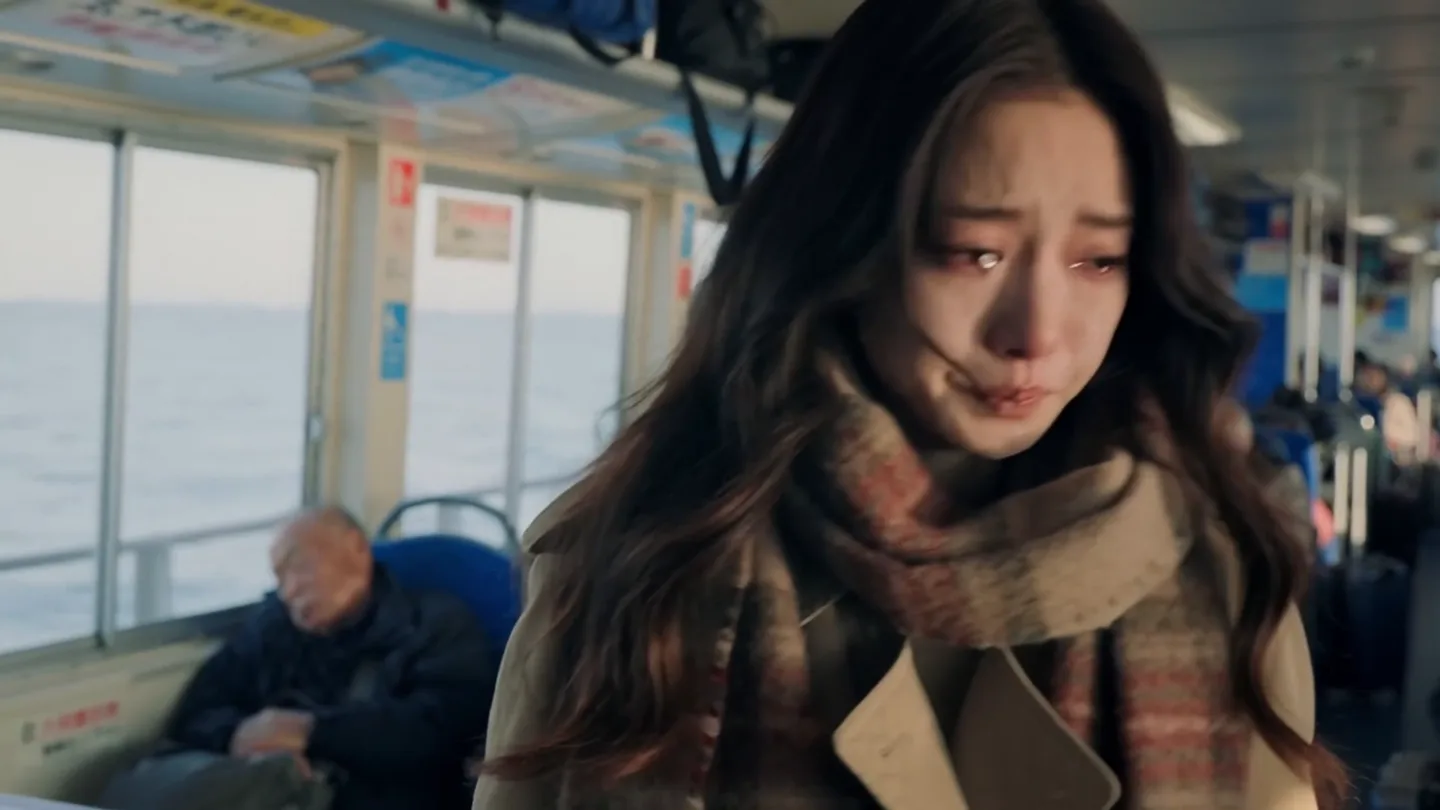
  1. The cabin: she looks back

    Shot 1 · Five versions

    The cabin: she looks back

    It was the master shot, but its cold morning tones didn’t match the afternoon light after it, and she sat on the wrong side. Five approaches later, using its own frames as reference fixed it.

    Watch from 0:07 ›
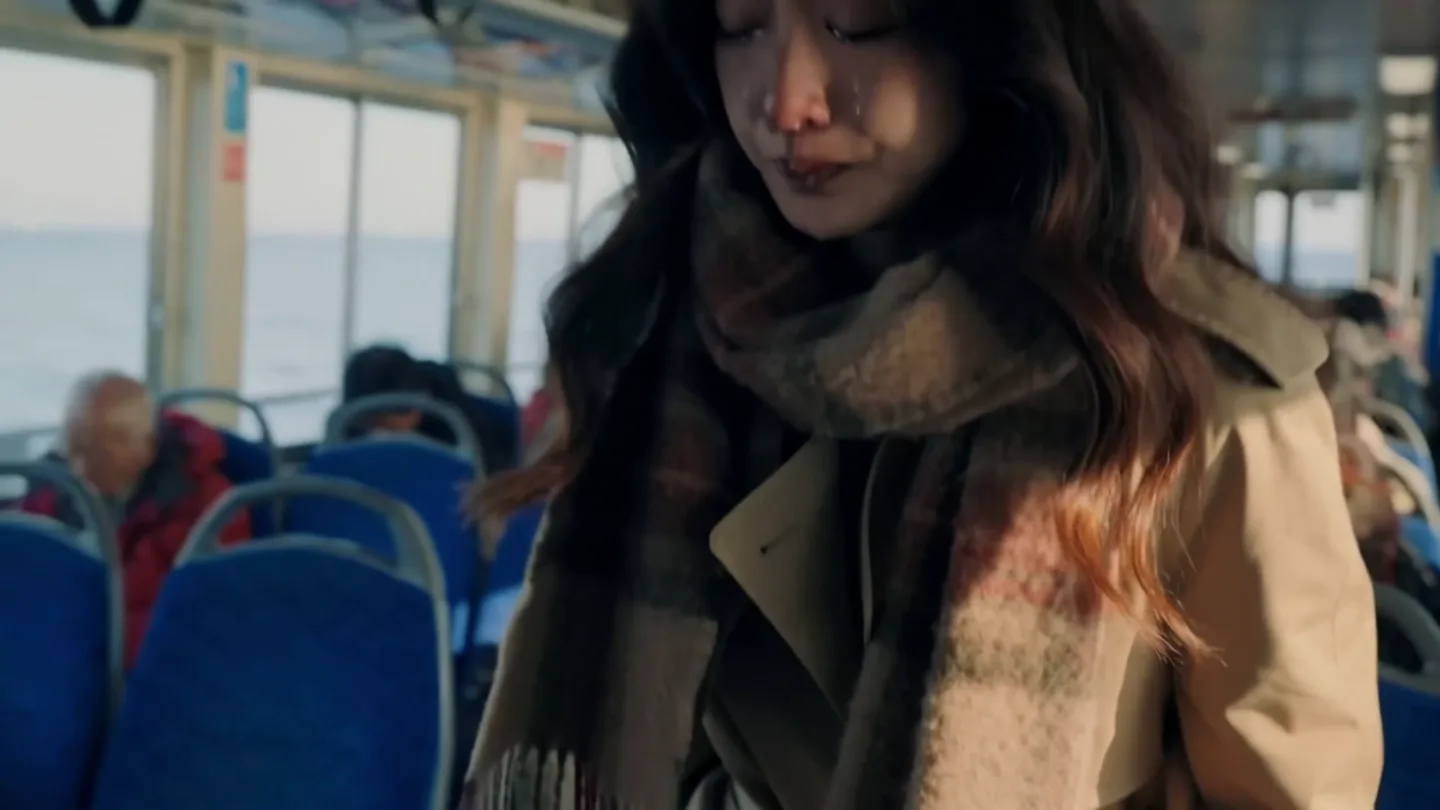
  2. The cabin: she gets up

    Shot 2 · Redone twice

    The cabin: she gets up

    The first version reversed her direction and turned the light grey; the second overplayed the crying. The third started from the previous shot’s real last frame and described only action.

    Watch from 0:11 ›
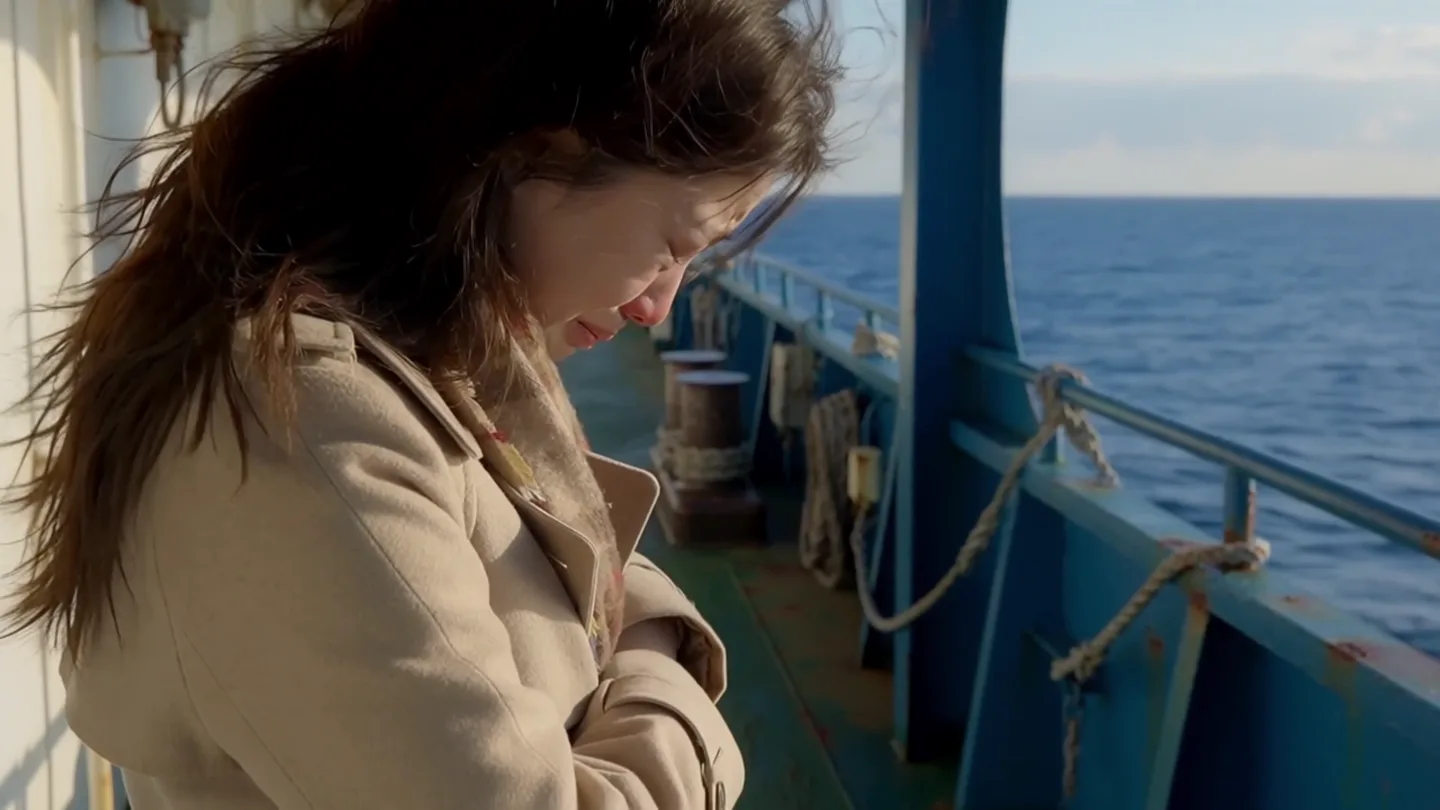
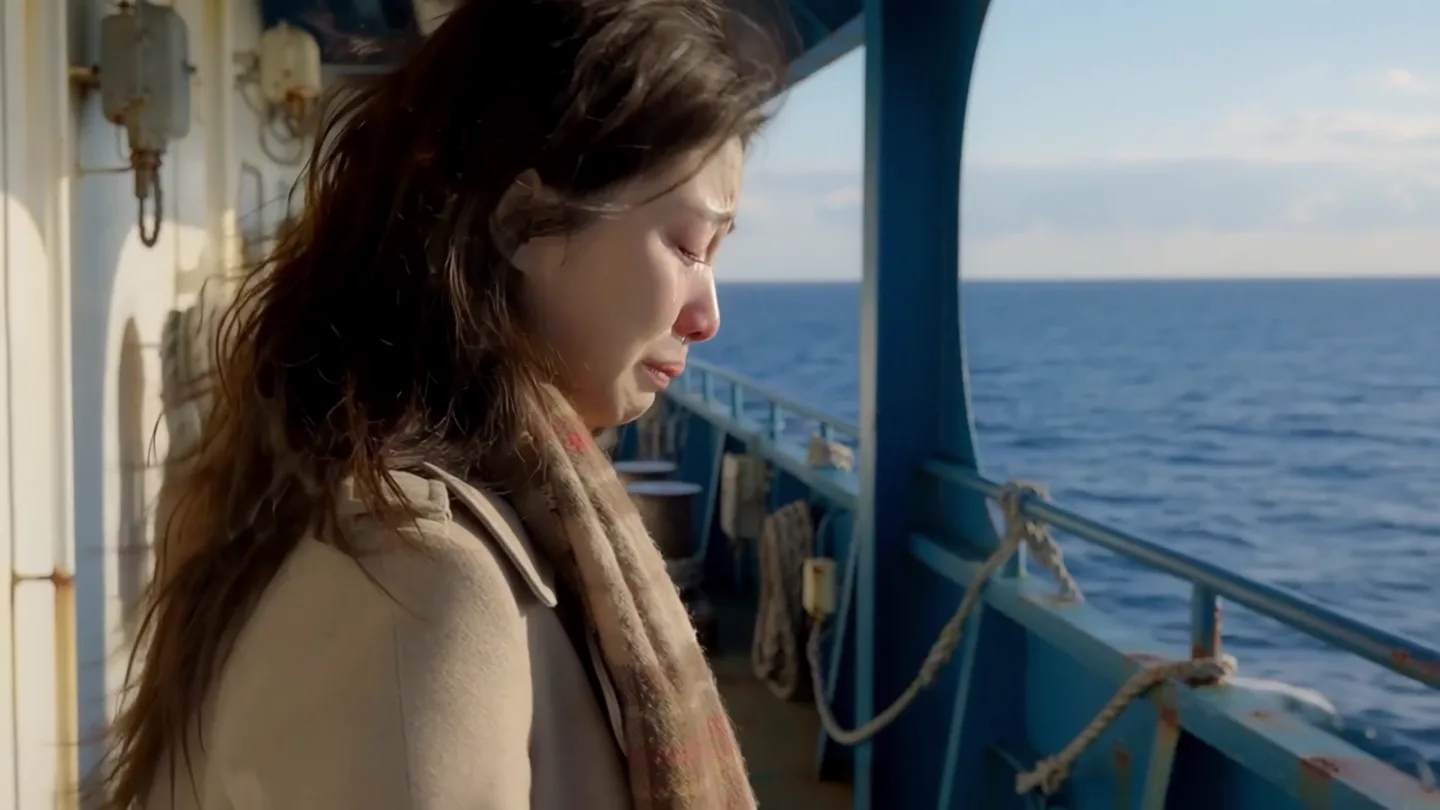
  3. The deck: to the railing

    Shot 3 · Redone once

    The deck: to the railing

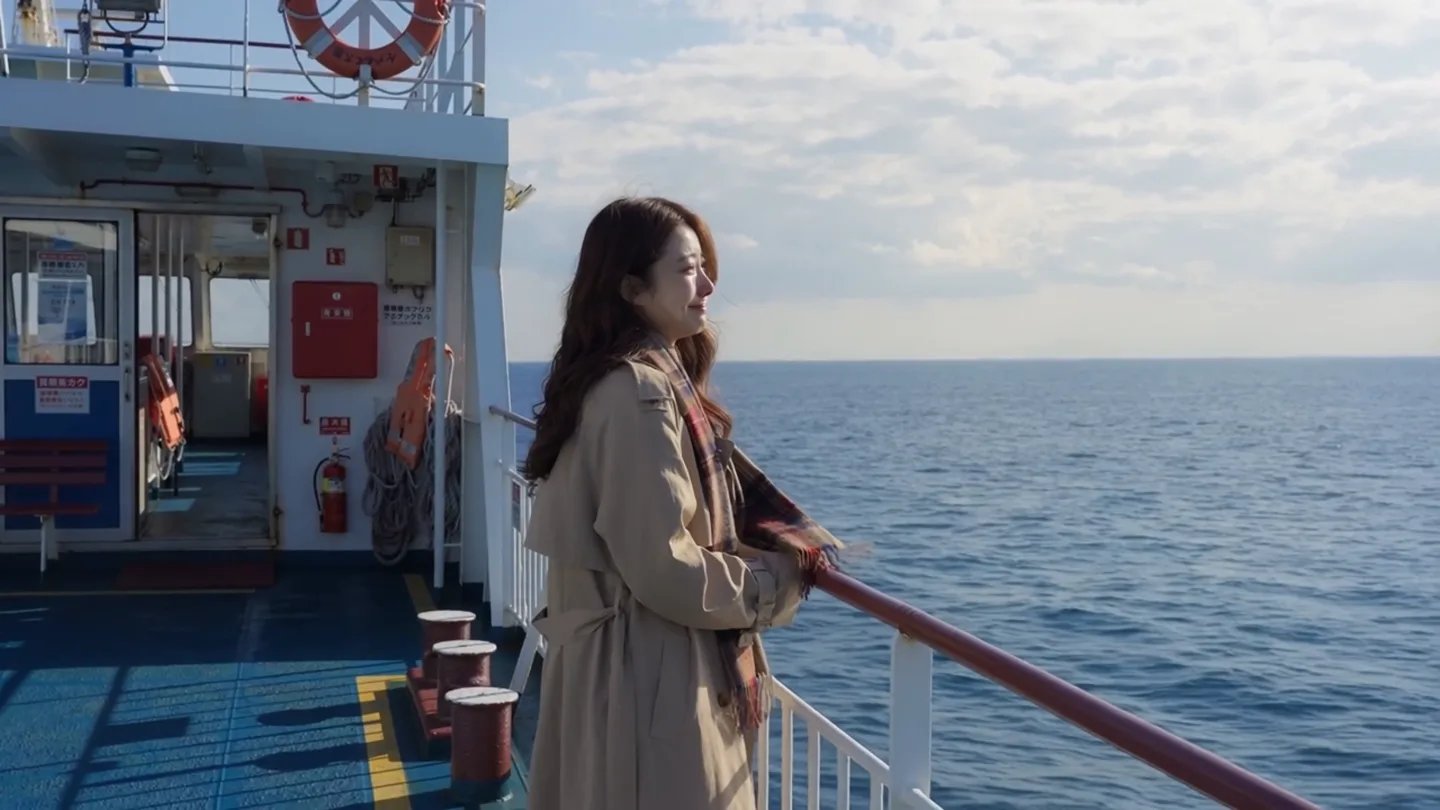
    In the first version she stopped crying the moment she stepped out. In the remake she is still crying at the door and only wipes her tears at the railing.

    Watch from 0:15 ›
  4. The deck: the photograph

    Shot 4 · Redone once

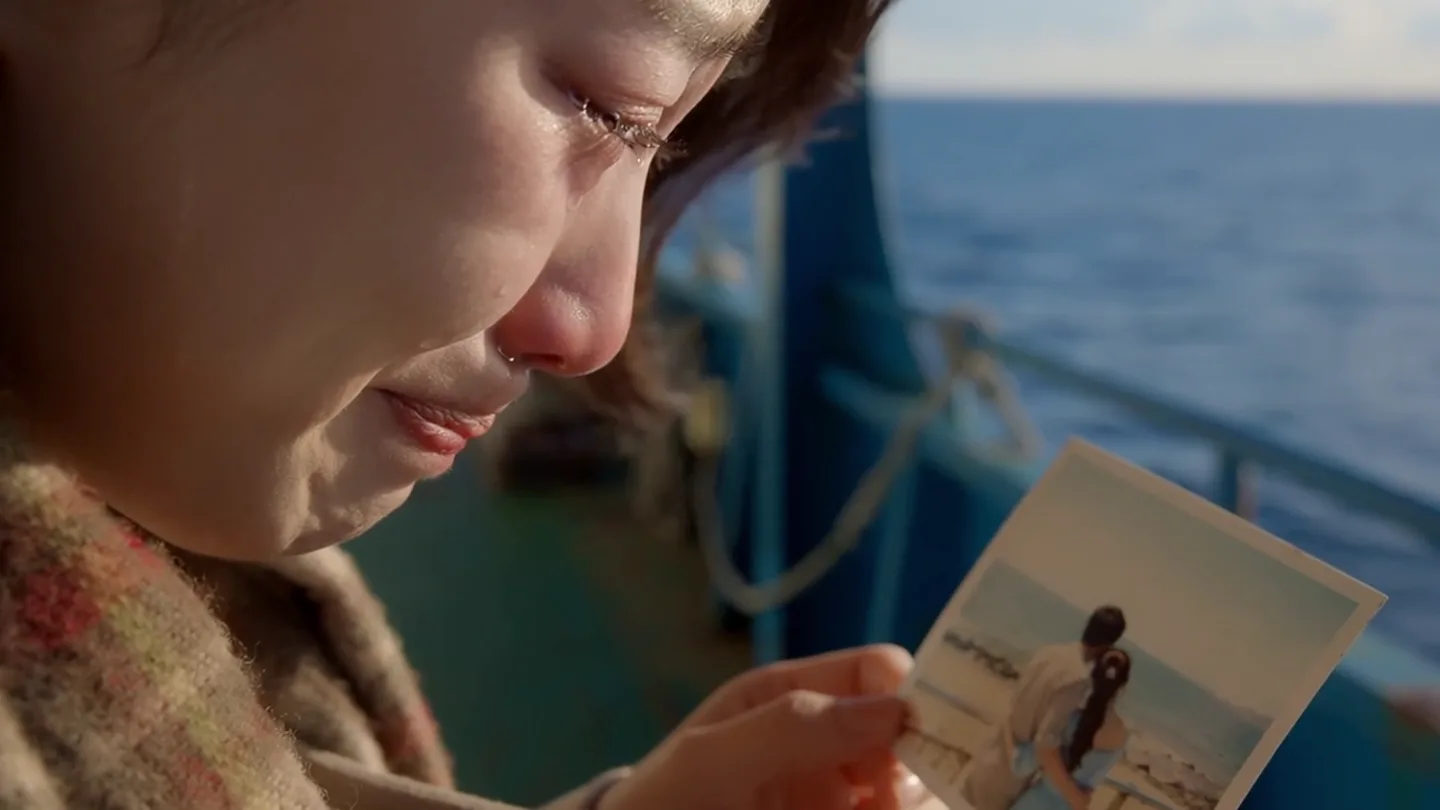
    The deck: the photograph

    The first version opened on loud crying, face to camera. Redone in profile and quiet: she looks at the photograph and smiles once through her tears. That is the film’s high point.

    Watch from 0:21 ›
  5. The deck: one breath

    Shot 5 · First take

    The deck: one breath

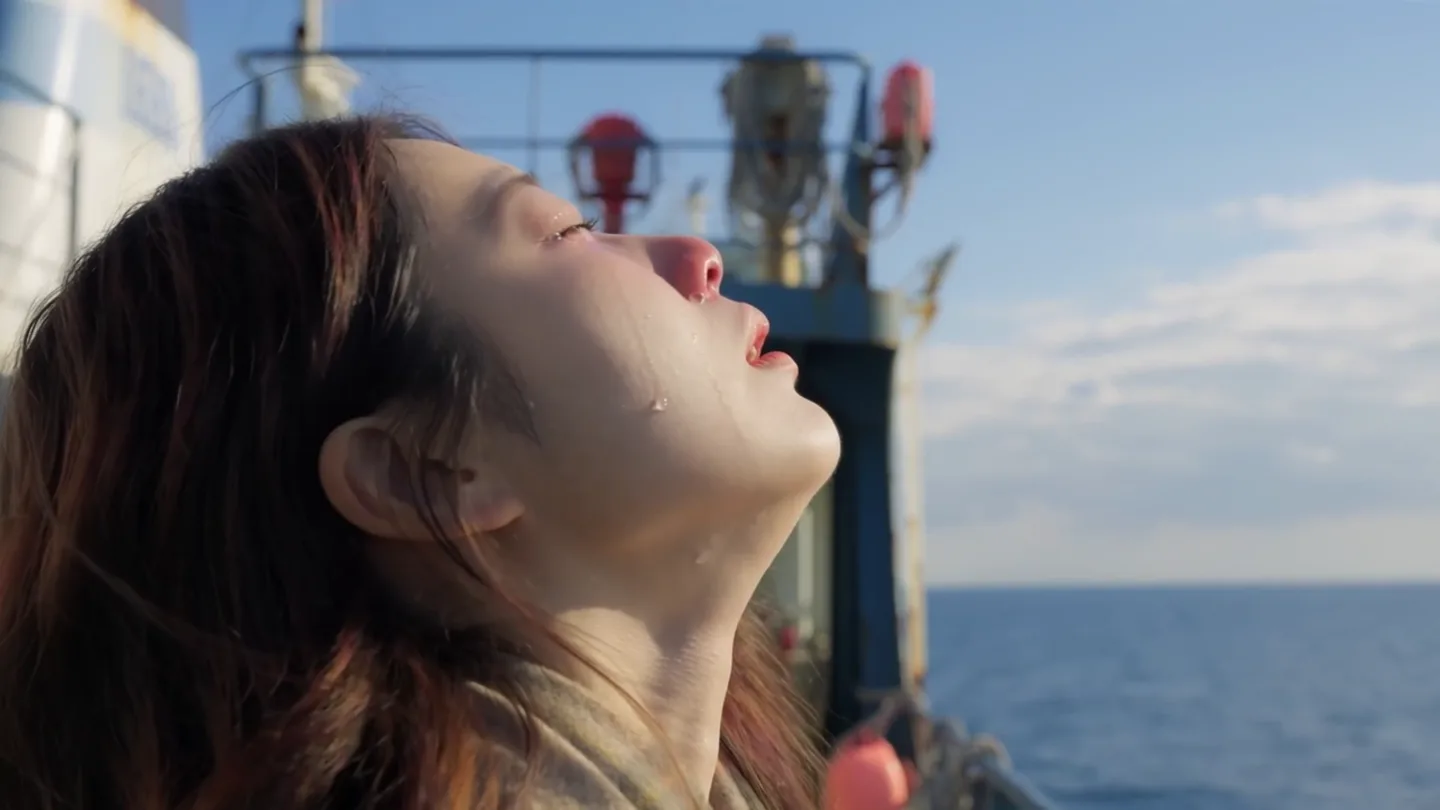
    The photograph to her chest, back into the pocket, a deep breath into the wind, shoulders dropping. Letting go is done by the body, not the face.

    Watch from 0:35 ›
  6. Pulling back to the sea

    Shot 6 · Redone twice

    Pulling back to the sea

    It began as an aerial wide shot that came from nowhere. He redesigned it as a pull-back from her face; the second version smiled too soon, the third carried the tears over and took its time.

    Watch from 0:44 ›
  7. Off the ferry: the door

    Shot 7 · Redone twice

    Off the ferry: the door

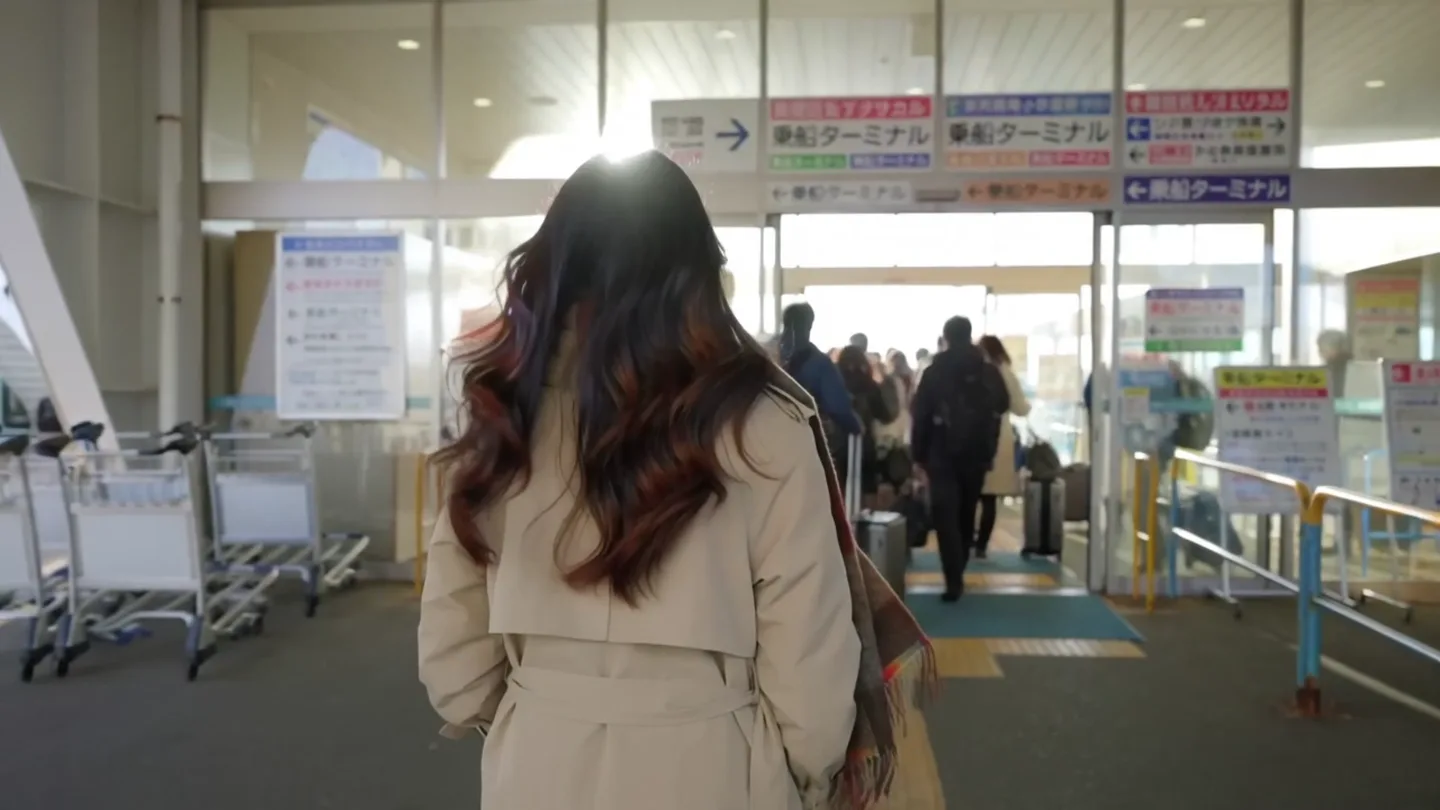
    The pier version was crowded and messy; the seaside walkway said too clearly where she goes. What stayed: she walks towards a door, and we don’t know what lies beyond.

    Watch from 0:56 ›

In a prompt, only what can be seen does any work

The whole film started from one English prompt. The part that worked: one continuous shot, one push-in, one clear end to the action (she looks back at the lens), wind and light doing the moving, no dialogue.

The part that did nothing was a string of adjectives: cinematic, moody, masterpiece, 4k. It asked for 4k; it came out at 720p.

After that, each shot described only action. Shot 2 said just this: she looks away, a tear falls, she stands, walks towards the camera, leaves the frame on the right, and the camera stays on the empty seat.

Show the original prompt
A cinematic 10–second video of a beautiful young Asian woman on a moving ferry, wearing a beige trench coat and a thick oversized plaid scarf. Natural sunlight streams through the cabin windows, reflecting off the water outside. The camera starts with a medium shot, showing the melancholic and moody atmosphere of the boat cabin with blurred passengers in the background. The camera slowly pushes in for an extreme, highly detailed close–up of the woman's face. The wind gently blows her messy hair across her face, highlighting her melancholic, deep, and thoughtful eyes. No speaking. In the final seconds, she slowly turns her head to look over her shoulder directly at the camera with a profound gaze. Handheld camera feel, 4k, photorealistic, cinematic lighting, moody color grading, masterpiece.

Read the full production record (Chinese) ›

The film grammar this film uses

“Once you can name the problem, it can be fixed.”

“Some film basics … shot sizes, cuts, crossing the line, and the common language of the camera.” — Qin Xujun, translated from Chinese

Crossing the line

“The camera suddenly crosses an imaginary line of direction, so a person’s position or movement on screen flips, and the audience loses track of the space.”

— Qin Xujun, translated from Chinese

In this filmThe first take of shot 2 crossed the line when it jumped from the cabin to the deck; to him it “looked really fake”. After that one rule held for the whole film: she always moves left to right, leaving frame on the right and entering on the left.

Watch from 0:12 ›
line of actionshe walks right Camera ACamera B A sees: rightB sees: left
Keep both cameras on the same side of the line and she walks right in both shots. Put one across it and on screen she suddenly walks left.
  1. 0:07 close-up · 0:44 full shot

    Shot size

    How much of the frame a person fills: wide, full, medium, close-up, extreme close-up. Change it and you change how close the audience is to her.

    In this filmThe opening pushes from a medium shot to a close-up so you get near her first. Shot 6 does the reverse: it pulls back from her face, step by step, until the whole sea is in view.

    Watch from 0:44 ›
  2. Matching action

    An action left unfinished in one shot is finished in the next. When it matches, the audience doesn’t notice the cut.

    In this filmEvery shot started from the real last frame of the one before, with text describing only what happens next. Describe the face, clothes or light again and the picture drifts.

    Watch from 0:11 ›
  3. The frames either side of the cut at 0:13

    Carry the feeling across the cut

    Like the costume, the feeling has to match: if she is crying at the end of one shot, she is crying at the start of the next.

    In this filmThe first take of shot 3 broke exactly here: she stopped crying the moment she stepped out. In the final cut she is crying on both sides of the cut.

    Watch from 0:12 ›
  4. Consistent colour

    One film should look as if it was shot on one day in one place.

    In this filmShot 1 came out in teal-and-orange morning tones; everything after is afternoon sun. He graded it himself in CapCut against three checks: her face back to a pinkish beige, the seats back to a clean blue, the window frames back to white.

    Watch from 0:06 ›
  5. Props tell the story

    Everything in the frame says something. Get a prop wrong and the feeling is wrong.

    In this filmThe photograph in her hand began as an old picture of two elderly people; to him “the feeling was wrong”. A young couple made it a breakup; then their backs by the sea, because small faces inside a frame distort first.

    Watch from 0:21 ›
  6. Hold back at the peak

    Where the feeling is strongest, play it smallest.

    In this filmThe fullest moment in the film is a single smile through tears (shot 4); letting go is one deep breath and her shoulders dropping (shot 5).

    Watch from 0:35 ›

Tools

“The real limit is one’s own ideas”

“My habit is to start by asking Muse to search GitHub for well-starred, widely trusted skills, one for directing and one for Seedance. No need to know the details, only to say the goal: an Oscar-level film.” — Qin Xujun, translated from Chinese

Muse

All seven shots of this film were generated with Muse, a personal AI agent you can simply talk to.

Invite code

OE9XK3

Enter it under Settings within 48 hours of joining, and the new member and Qin Xujun each get one billion Muse tokens.

Join Muse ↗

DirectorSKILL

Keeps prompts to what can be seen: who, where, doing what, how the camera moves, where the light comes from. Before shooting, this film fixed its set: blue seats, the sea to port, the door on the left, always moving left to right.

View project ↗

seedance2-skill

When several reference images go in at once, gives each a single job and splits action into timed beats. Here, one reference fixed the face and one the framing.

View project ↗

Nothing is wasted

“Whether it is Claude or GPT building websites, running content and talking things through, or an agent like Muse, … what matters more is what has been built up over a long time, such as real professional skill.”

“At the start I couldn’t read a line of code, and the terminal scared me. … Every interesting person I met, every book I read, everything I did: none of it was wasted.”

— Qin Xujun, written when the film came out (translated from Chinese)

Details

Director
Qin Xujun
Edit & colour
Qin Xujun
Generated with
Muse, seven shots of 10 seconds
Music
《来不及爱你》
Running time
57 seconds
Generated at
1280 × 720 · 24 fps
Exported at
3840 × 2160 (upscaled from 720p)